
Hey Friend,
Discover the mission to protect biodiversity through eco-friendly gardening practices, supported by environmentally conscious growers. Embrace the benefits of reduced pesticide use and vibrant habitats for bees in your garden!
FOTB.ca has introduced tens of thousands of bee friendly plants since 2022, and we need your help for 2027.

Be a Good Neighbour, Create a Sanctuary for Pollinators
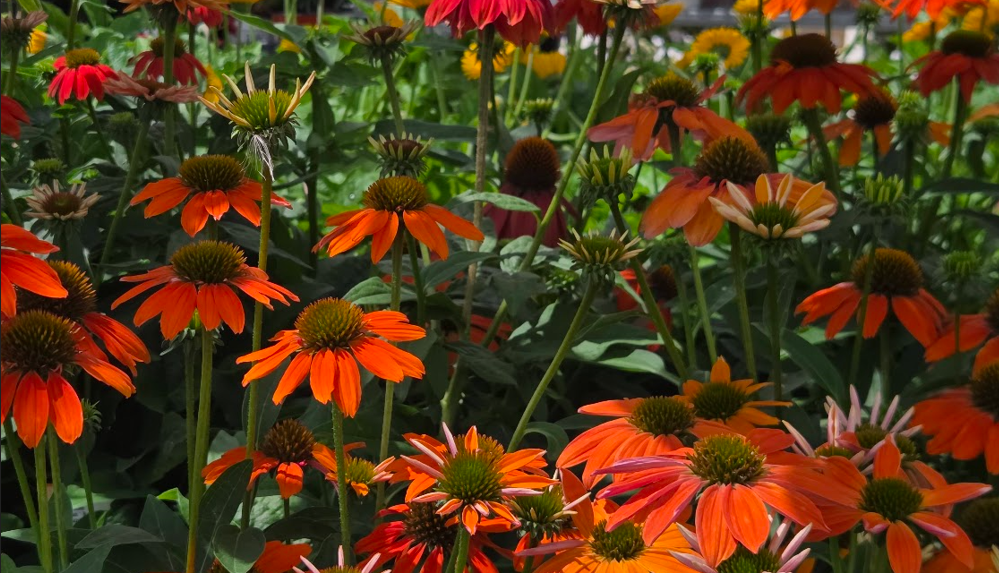
Choose a Grower that Cares – To create a thriving bee and butterfly sanctuary, start by planting a diverse variety of native, pesticide-free flowers that bloom continuously from early spring through late autumn to ensure a steady supply of nectar and pollen. Incorporate specific host plants, such as milkweed for monarchs or parsley for swallowtails, to give butterflies a place to lay their eggs and caterpillars foliage to eat.
Provide a safe, shallow water source, like a dish or birdbath filled with pebbles, so pollinators can easily land and drink without the risk of drowning. Finally, offer natural shelter by leaving small patches of bare, undisturbed soil for ground-nesting bees, preserving hollow plant stems or small brush piles, and strictly avoiding chemical pesticides and herbicides that can harm these delicate insects.
Articles
Explore our blog for insights, articles, and resources that inspire and inform.
-

Does Your Favorite Nursery Hide its Plastic Waste
Gardening is fundamentally an act of hope and a celebration of nature. When we dig…
-
Free Seed Packets from the Friends of the Bees
Visit a participating grower and you can get free seeds with any purchase! Sunflower Blends…
-
Favorite Friendly Plants for 2025 (annuals)
The Friends of the Bees have selected interesting annuals we recommend you try for the…
-
The Best Plants for Butterflies
Butterflies add beauty to any garden while playing a vital role as pollinators. To attract…
Friend of the Bees Tips for Your Yard
Here are several quick questions and answers related to improving your garden’s attraction to your insect buddies!
How can I attract more bees?
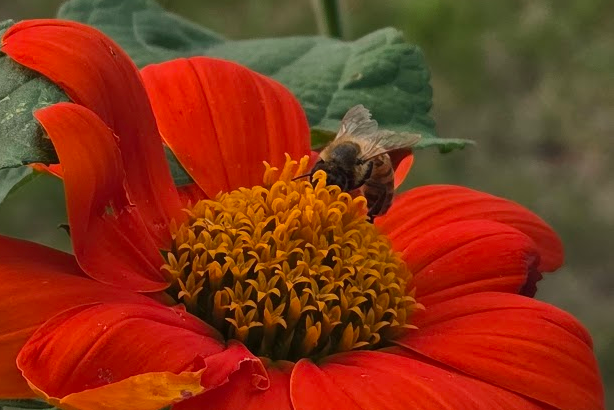
Plant native flowers to attract bees. Introducing several varieties can widen the flowering window and attract them to your property for the entire Spring and Fall. Basic perennials like Rudbeckia Hirta, and purple Echinacea are great economical options that you can sow hundreds of from seed. You’ll find both of these and many more in the seed mix packets distributed each year by FOTB.ca.
How can I attract more butterflies?
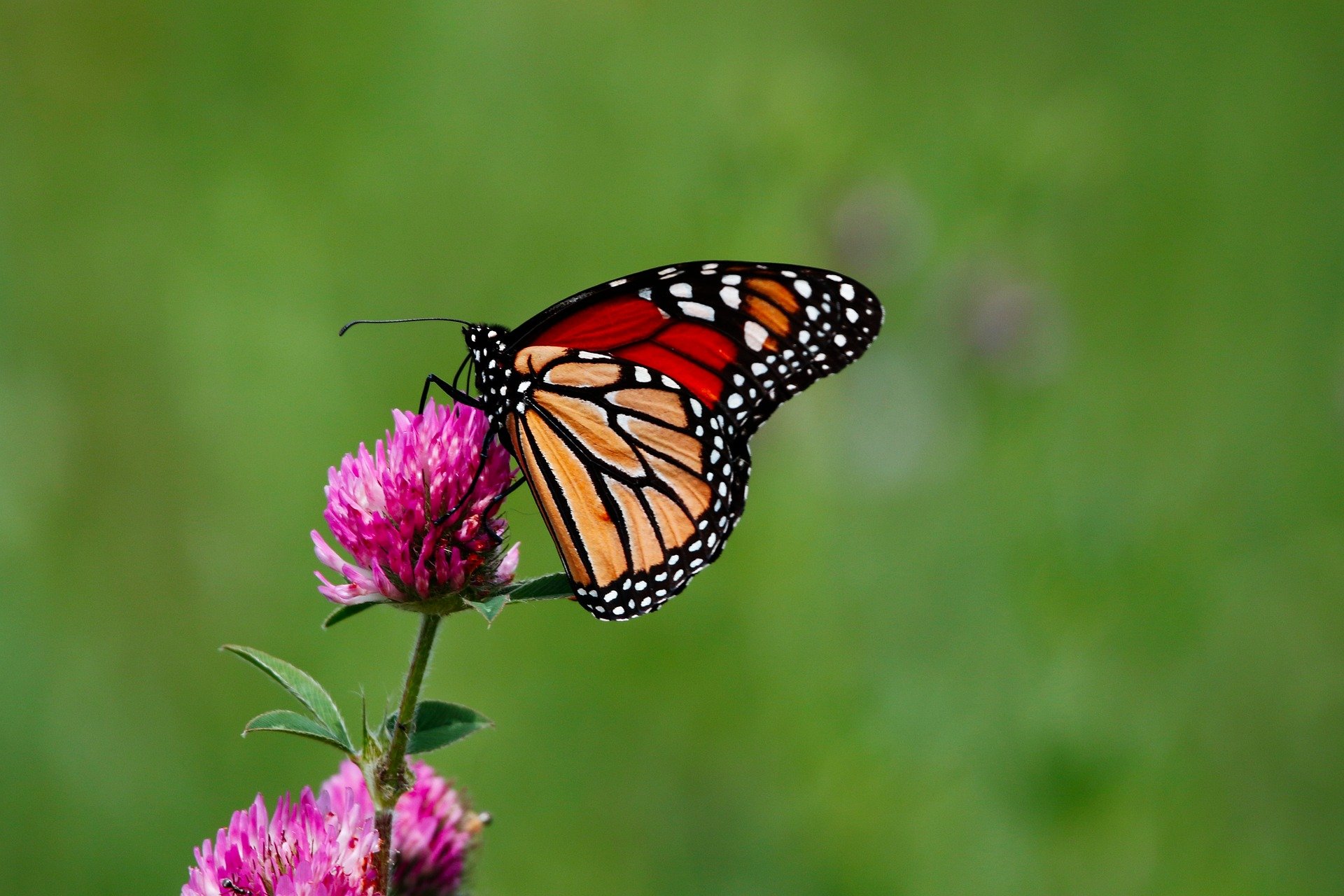
Butterflies are attracted to flowers that make it easy for them to land and feast. Popular choices include native host plants like milkweed, and showy annuals like zinnias and sunflowers. Growing perennials like New England Asters provide attractive nectar sources which helps sustain the transient visitors. Having more places of your property in a “natural” state will produce more natural spots for the overwintering insects to hide.
For example, most butterflies won’t seek refuge in a lawn, but they would love a pile of leaves for the winter! Different butterflies prefer different flowers, so do your research! For example, the partridge pea is a great self sowing annual that attracts several small butterflies, like the “Little Yellow” which will lay eggs upon it for its caterpillar offspring to enjoy.
Some flowers bloom and produce more fragrance during the evening and night. These plants will welcome all sorts of moths, like the hawk moth!
How to reduce pesticide usage?
Use organic pest control methods, and avoid spraying at all costs. If you must spray a pesticide, aim to apply it during the night to reduce pollinator cross-contact. Ideally, you can apply a fast acting pesticide like a pyrethrin directly to the offending insects and rinse it off the plant shortly after with a misting of water. Pyrethrin does not stay on plant surfaces for long, but trace amounts can cause trouble for many insects. A good rule is to never spray a flowering plant especially during the day.
Products containing pesticides like spinosad and imidacloprid are commonly purchased and brought over the US-Canada border, and should never be sprayed on flowering plants. Doing so is an ecologically bankrupt activity and goes against all best practices. For example, if you treat roses with either, all bees and butterflies will die if they consume anything from the plant while the pesticide is present.
What is companion planting, and how can it benefit my garden?
Companion planting involves growing certain plants together to deter pests, improve growth, or enhance flavor. For example, marigolds are found to repel some harmful insects, and planting basil near tomatoes is known to improve their flavor.
For bees and butterflies, it’s a great idea to have a broad variety of flowering plants to ensure different sources of pollen and nectar remain available throughout the year. Spring crocus provide early treats, but a massive branching sunflower can feed hundreds of visitors for weeks!
I am a grower. Can I be a Friend of the Bees?
Most certainly, and we’d love to have you on board. Please utilize the contact form below to start your friendship!

As Friends of the Bees
We promise them a holistically healthy home. That means we promote:

Green Practices
We follow and promote the most environmentally friendly advice, and aim to reduce overall wastage.
Boosting Biodiversity
We put a lot of effort to introduce a variety of plants into your community.
Organic Habitats
Significantly reduced usage of non-organic plant inputs like growth regulators, pesticides, and herbicides.
Growers with a big heart love bees!
Are you a grower interested in helping to sustain numerous friendly insects? Contact FOTB to see how you can grow like a true friend of the bees and help support your local populations!
Become a Friend of the Bees
Reach out easily with our contact form here. Please make sure to include lots of information in the Message section.
Help The Friends of the Bees by growing to sustain.
If you’re a plant grower, please consider contacting us to learn about unique ways you can engage with your local community to become a true Friend of the Bees.