
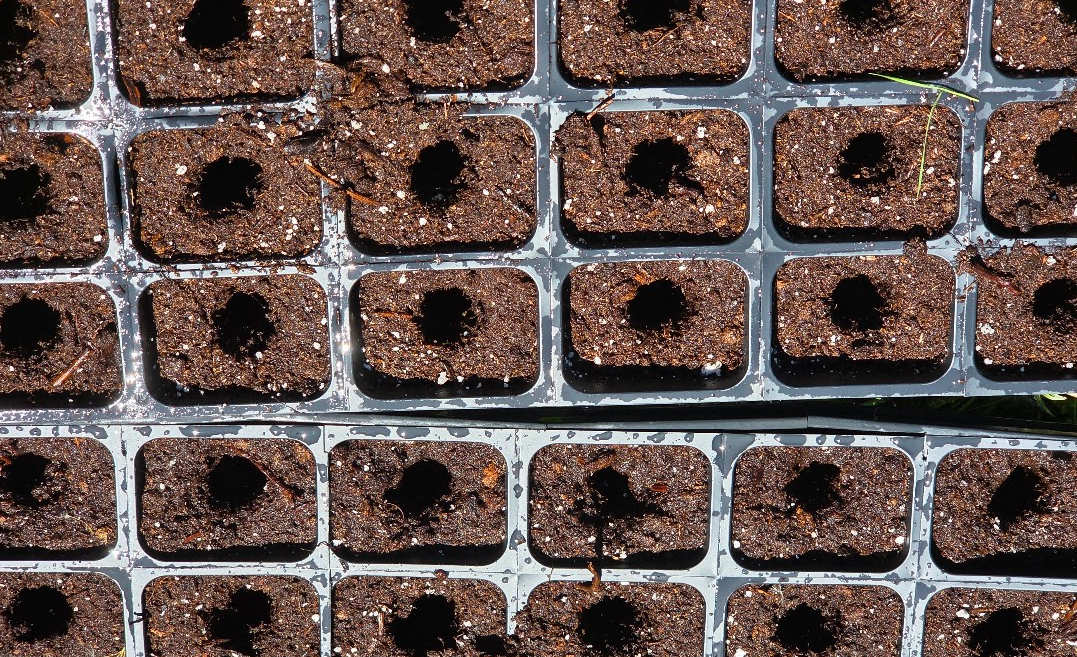
Gardening is fundamentally an act of hope and a celebration of nature. When we dig into the soil to plant coneflowers, hostas, and hydrangeas, we are actively trying to make our corner of the world a little greener, a little more welcoming to the pollinators we rely on.
But there is a stark, uncomfortable paradox running through the heart of the modern horticulture industry: our love for the earth is currently packaged in mountains of single-use plastic.
Take a walk through any conventional garden center. Look past the vibrant blooms and you will see a sea of petroleum products. Seedling trays, humidity domes, plant tags, fertilizer jugs, and those ubiquitous black plastic nursery pots. The sheer volume of waste generated before a plant even reaches your garden bed is staggering.
The Black Plastic Blind Spot
The black plastic pot is the industry standard because it is cheap, durable, and hides dirt. However, that exact color is a recycling nightmare. Most municipal sorting facilities use optical scanners to separate plastics by bouncing a beam of light off the material. Carbon black absorbs that light, rendering the pots invisible to the scanners. Instead of being recycled into new products, they are diverted straight to the landfill or burned.
Even when pots are made from lighter-colored, recyclable plastics, they are often contaminated with soil and organic matter, causing recycling centers to reject entire batches. The result? Millions of pots sitting in landfills for centuries, slowly breaking down into microplastics that can eventually leach into the very soil and waterways we are trying to protect.
The “Friends of the Bees” Standard
At Friends of the Bees Canada, we believe that true environmental stewardship doesn’t stop at the flower itself—it extends to how that flower was grown, packaged, and sold.
Businesses who are true “Friends of the Bees” understand this. They know that you cannot claim to champion pollinators while simultaneously contributing to the degradation of their natural habitats. These forward-thinking nurseries and landscape companies are doing everything they can to eliminate plastic waste from their operations.
They are shifting to biodegradable pots made from cow manure, coconut coir, or compressed paper. They are encouraging pot-return programs where customers can drop off their plastic containers to be washed and reused for the next growing season. They are investing in soil-blocking techniques that eliminate the need for seedling trays entirely. When you support these businesses, you aren’t just buying a plant; you are funding a sustainable circular economy.
How You Can Drive the Change
The horticulture industry will shift when consumer demand forces it to. As gardeners, we have incredible power to disrupt this plastic pipeline.
Vote with your wallet. Seek out local nurseries and growers who prioritize sustainable packaging. Ask them directly what their plastic reduction policies are. When businesses realize that eco-conscious practices attract loyal customers, they will adapt.
Reuse relentlessly. If you do end up with plastic pots and trays, treat them like permanent tools rather than disposable packaging. Sanitize them at the end of the season and use them for your own seed starting or plant division projects year after year.
Start from seed or bare root. Buying seeds in paper packets or ordering dormant bare-root perennials avoids the plastic pot entirely. It takes a little more patience, but the environmental payoff is immediate.
Demand better municipal recycling. Write to your local waste management authorities and ask them to upgrade their optical sorting technology to handle black plastics, or advocate for specialized agricultural plastic drop-off sites in your community.
Every plant we put in the ground should be a net positive for the planet. By rejecting the culture of disposable plastic, we can ensure that our gardens truly nourish the earth, the bees, and the generations to come.
Leave a Reply